
Running a business often means finding space for things you didn’t have to store before. Maybe your van is getting too full, the garage is packed with stock, or you’ve found a good supplier deal but don’t have enough room for the extra inventory.
Once you start looking for storage, one of the first decisions is how long you’ll actually need the space. Long term business storage and short-term storage aren’t the same arrangement, and choosing the wrong option can cost you more than the unit itself.
Let’s look at what each option involves, who it’s best suited to, and how to decide which one makes sense for your business.
Key Takeaways
- Short-term storage typically means a few weeks to around three months; long-term is generally six months or more
- Short-term arrangements suit businesses with a defined end date (such as: a seasonal peak, a move, a renovation)
- Long-term storage suits businesses with an ongoing need: consistent stock, tools or equipment that need a permanent off-site home
- Flexibility and access hours are often especially important for businesses
- The right fit depends on your access pattern, what you’re storing and how long the pressure is likely to last
What Is the Difference Between Short-Term and Long Term Business Storage?
There’s no universal definition, but short-term business storage typically covers a few weeks to around three months, while long-term is generally six months or more. The key difference is not just duration; it’s whether storage is solving a temporary problem or meeting an ongoing operational need.
What Is Short-Term Business Storage?
Short-term storage is the right choice when the need has a clear end date.
For a business, that might look like:
- Taking on a larger supplier order than the current premises can hold, ahead of a peak trading period
- Needing overflow space during a shop refit or office move
- Holding seasonal stock for a few months before it moves to the shop floor
- A tradesperson storing equipment during a gap between jobs or a change in base location
The appeal is flexibility. You’re not committing to a long arrangement for a short problem. You pay for the period you need and step away when it’s resolved.
The trade-off can be cost per month. At many providers, short-term rentals cost more per month than longer commitments, which is worth factoring in if there’s any chance the need will last longer than expected.
Talk to the Advanced Space Providers team about what arrangement suits your timeline.
What Is Long Term Business Storage?
Long-term business storage is for businesses where off-site space has become part of how they operate; not a temporary fix, but a practical part of the working setup.
Common situations include:
- A tradesperson who needs a secure location for tools and equipment rather than leaving them in a van overnight
- An e-commerce seller or distributor with consistent stock levels that don’t fit in a home or small unit
- A contractor who needs a reliable base to receive deliveries, store materials and access them across a long project
- A business that has outgrown its current premises but isn’t ready to take on a larger lease
For these businesses, long-term business storage isn’t a temporary arrangement. It’s a considered decision that removes a recurring operational problem.
The practical benefit of committing longer can be a lower or more predictable monthly cost at some providers. It also removes the mental overhead of constantly reassessing whether to renew.
Who Is Short-Term Storage Best For?
Short-term suits businesses with predictable, time-limited peaks or transitions:
- Online sellers managing seasonal stock around Christmas, summer or public holiday periods
- Retailers receiving bulk orders ahead of a product launch or seasonal range
- Tradespeople between locations or handling a specific contract that requires temporary equipment storage
- Businesses mid-move that need a holding space while premises are being prepared
The defining factor is a clear endpoint. If you can say “I need this for about two months,” short-term is a clean answer.
Who Is Long Term Business Storage Best For?
Long-term suits businesses where the storage need is structural rather than seasonal:
- Trades businesses: plumbers, electricians, carpenters and builders who need a secure lock-up for tools and equipment rather than relying on a van. Leaving tools in a vehicle overnight carries real insurance and security risks. A dedicated unit can reduce both.
- Small distributors and wholesalers with consistent stock volumes that exceed their current premises
- Service businesses with physical equipment such as medical devices, catering kit, event supplies, that needs a reliable, accessible home
- Growing e-commerce businesses that have moved past the spare room but aren’t ready for a warehouse lease
For tradespeople in particular, a secure off-site unit addresses something a van never can: 24/7 monitored storage, access when you need it, and a way around the overnight restrictions many policies place on tools left in vehicles. Check your own cover, and ask the storage provider what your insurance responsibilities are.
Commitment, Flexibility and Cost: What to Expect
Longer-term rentals can sometimes work out cheaper or give you a more predictable monthly cost. Short-term rentals offer more flexibility. Since prices and terms vary between providers, it’s worth asking for a few quotes to compare.
A few practical points worth understanding before you sign anything:
Minimum terms. Most commercial storage providers set a minimum rental period. Confirm what this is before assuming you can rent for a single week.
Access hours. For business use, access is often as important as price. A unit you can’t get into before 8am or after 6pm doesn’t work for a tradesperson starting a job at 7am or an online seller packing orders on a Sunday. Confirm whether out-of-hours access is included.
Scalability. If there’s a chance your needs will grow, it’s worth asking whether you can move to a larger unit without ending your arrangement entirely.
What you’re storing. Tools and equipment that are sensitive to damp or temperature benefit from insulated storage. Discuss any sensitive goods with the storage provider you are considering in advance.
Stock that has to be retrieved quickly needs clear organisation and practical access. Match the unit type to what’s going in it, not just the duration.
How Do You Decide Between Short-Term and Long Term Business Storage?
A few questions help narrow it down:
- Does the need have a clear end date? If yes, short-term is the more flexible choice. If no, or if you’re not sure, long-term is likely the more practical one.
- How often will you need access? If you’re in and out of the unit every day or two (swapping stock, picking up tools, receiving deliveries) a flexible month-to-month arrangement at a well-located facility makes more sense than a distant site with limited hours. If you’re visiting once a week or less, location and frequency matter less than security and cost.
- What is the cost of the problem you’re solving? If you’re turning down supplier deals, paying higher insurance premiums, or losing working time to disorganised storage, the cost of the arrangement may be lower than the cost of the problem.
- Is this a one-off situation or part of how your business operates? Seasonal stock overflow is a one-off. Tools that need a secure home every night are operational.
| Short-Term Storage | Long Term Business Storage | |
|---|---|---|
| Typical duration | Weeks to 3 months | 6 months or more |
| Best for | Defined peaks, transitions, seasonal needs | Ongoing operational storage needs |
| Cost structure | Often a higher monthly rate; more flexibility | Sometimes a lower or fixed rate for a longer commitment |
| Commitment | Low | Moderate to higher, depending on provider |
| Access | Confirm before booking | Confirm before booking |
| Scalability | Ask whether you can change unit size | Ask whether you can change unit size |
Tips for Choosing the Right Storage Arrangement
Be honest about the timeline. Businesses often underestimate how long a storage need will last. If there’s doubt, factor in a buffer.
Prioritise access hours. For business use, out-of-hours access is rarely a luxury. It’s often the difference between a unit that works for your operation and one that creates a new problem.
Think about handling needs. If suppliers deliver on pallets, you need a facility with the right handling equipment. Not every storage site offers forklift hire. If yours does, it removes a practical overhead worth considering in the decision.
Check security arrangements. 24/7 monitoring matters whether the arrangement is short or long. Tools, stock and equipment left off-site are only as safe as the facility they’re in. For tradespeople especially, this is a practical detail, not a nice-to-have.
Consider location relative to your work pattern. A unit close to the motorway matters if you’re distributing across Ireland or starting jobs in different locations each morning. Motorway access reduces the time cost of every collection and drop-off.
Finding the Right Fit at Advanced Space Providers
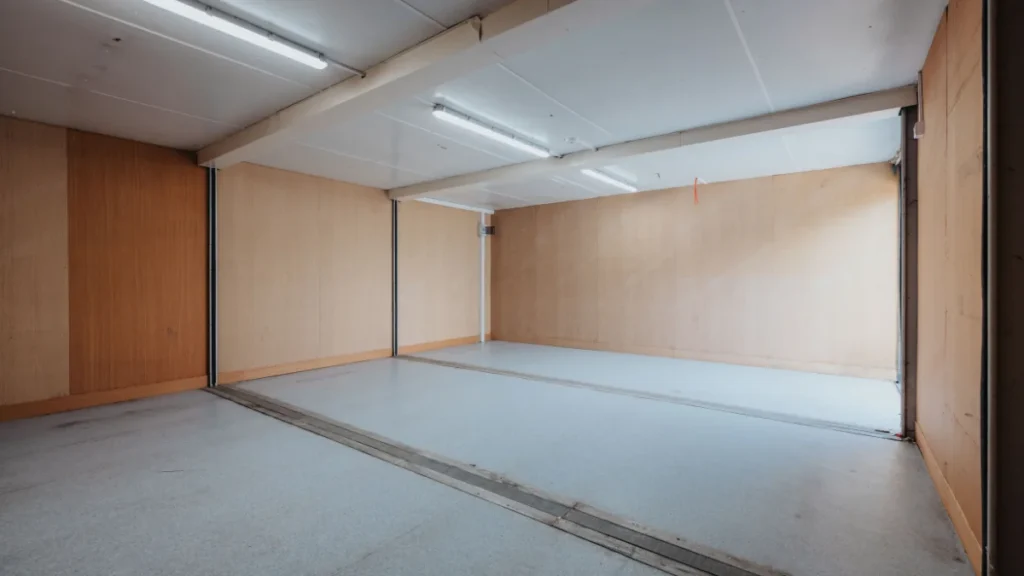
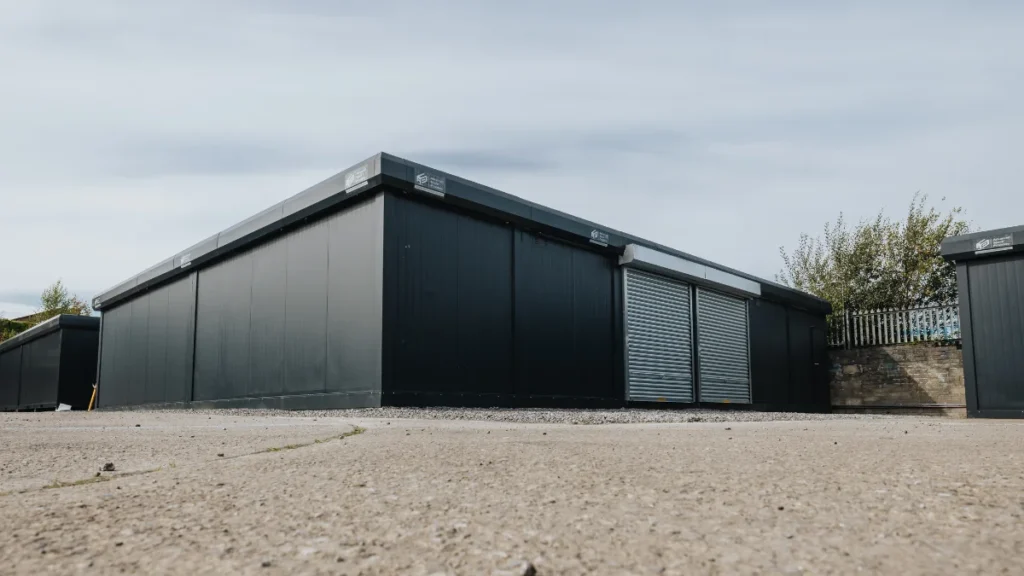
Advanced Space Providers’ Business Storage Hub in Limerick offers commercial bay units designed for business use. Units are insulated, monitored 24/7 and available with flexible out-of-hours access. Three bay sizes are available: one bay (20ft × 8ft), two bays (20ft × 16ft) and three bays (20ft × 24ft).
Whether you’re figuring out a seasonal swing or looking for a reliable long-term base for stock, tools or equipment, the right starting point is a conversation about how your business works.
Explore the bay options and talk to the team about what fits.