
Most Irish residential developers researching off-site construction reach a point where the method makes sense but the market feels opaque. There are companies operating from Ireland, from the UK and from Europe. Some manufacture here, some ship modules from overseas. Some focus on residential, others on education or healthcare. The terminology varies. The claims are similar.
Choosing off-site construction companies well comes down to asking the right questions before a contract is signed. This article sets out what those questions are, why they matter and what credible answers look like.
Key Takeaways
- Irish building regulations apply to all off-site construction regardless of where modules are manufactured
- Ask for verifiable proof of compliance, not just a claim
- A single delivery partner covering design, manufacture and installation reduces coordination risk significantly
- Irish planning, site conditions and nationwide delivery experience matter as much as factory capability
- Track record across sectors gives a clearer picture of delivery capability than residential experience alone
What Should I Ask When Choosing Off-Site Construction Companies in Ireland?
When choosing a company for a residential project in Ireland, the most important questions cover five areas: Irish regulatory compliance, manufacturing standards, delivery track record, local project management capability and programme transparency.
A company that answers all five clearly and specifically is more likely to deliver what it promises than one that leads with marketing claims.
Does the Company Build to Irish Building Regulations?
This is the first question and the most important. Modular and off-site construction in Ireland must comply with the same building regulations as any other new build, including Part L for energy performance, Part B for fire safety, Part A for structure and the Building Control (Amendment) Regulations which govern sign-off procedures.
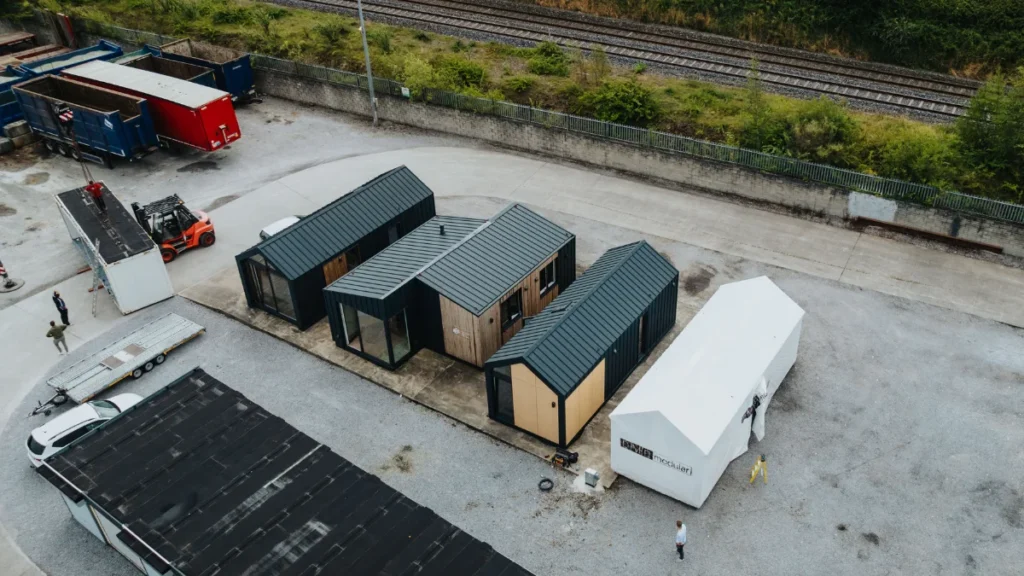
When choosing off-site construction companies, remember that a module manufactured in Germany, Poland or the UK is not automatically compliant with Irish regulations.
Compliance depends on how the system is specified, tested and certified for the Irish market specifically.
Ask for documentation. Irish Agrément Board certification, CE marking on structural components or ISO-certified manufacturing processes are verifiable evidence of compliance. A claim that a system “meets European standards” is not the same as confirmation it meets Irish building regulations.
NZEB compliance under Part L is defined by maximum energy performance and carbon performance coefficients (0.3 and 0.35) and a minimum 20% renewable energy ratio, calculated for each dwelling. It typically equated to an A2 on the previous BER scale. Ask how the company demonstrates NZEB compliance for each home, for example through a design-stage DEAP calculation and a final BER from a registered assessor at completion.
What Does Their Manufacturing Process Look Like?
The quality of the factory process determines the quality of what arrives on your site. Ask whether the facility operates under ISO 9001 quality management certification, which covers the consistency and traceability of the manufacturing process. Ask whether structural steel components carry CE certification under EN 1090, which governs the fabrication of structural steel in Europe.
Ask whether BIM technology is used in design and manufacture. BIM-driven production means components are designed digitally, clash-checked before manufacture and built to precise tolerances. It reduces on-site fitting problems and supports the kind of airtightness detailing that NZEB compliance requires.
Also ask about production capacity. A factory that can produce a defined number of modules per month gives you a realistic basis for programme planning. A factory without a clear answer to that question is a programme risk.
Do They Have a Track Record of Delivery in Ireland?
Delivery in Ireland involves more than building the modules. It involves navigating Irish planning, coordinating with Irish utility providers, managing transport on Irish roads, handling crane operations within Irish site constraints and working to Irish building control sign-off procedures.
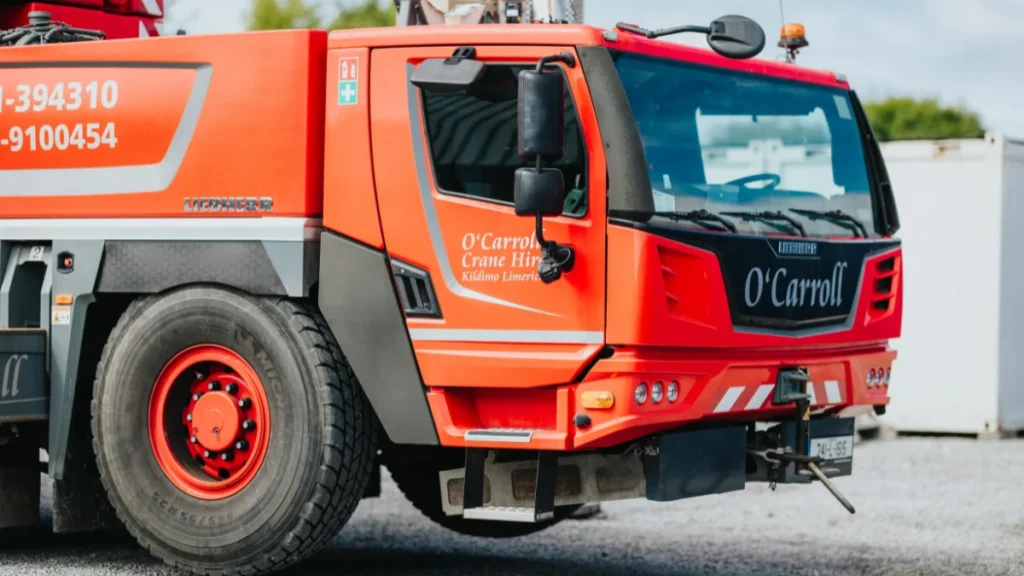
When choosing off-site construction companies, look for a proven track record in Ireland, as a strong European history alone does not guarantee experience with local regulations, planning and site logistics.
Ask for evidence of completed projects in Ireland, what sectors they covered, what the programmes looked like and whether they were delivered on time.
Relevant experience across sectors is a stronger indicator of capability than residential experience alone.
Who Manages the Project on the Irish Side?
For an Irish developer, the most practical question is who they are actually dealing with day to day. A European manufacturer with no Irish project management capability leaves a significant coordination gap between the factory and the site.
Ask whether the company has Irish-based project management, design coordination and installation capability. Ask who manages the relationship with Irish planning authorities, the assigned certifier and the local utility providers. Ask who is on site during installation and what their construction experience in Ireland looks like.
A single delivery partner covering design, manufacture, delivery and installation removes the coordination risk that comes from managing multiple contractors across the same programme. It also means a single point of accountability if something goes wrong.
How Transparent Is the Programme and Specification?
A factory-defined specification is one of the clearest advantages of off-site construction. But it only protects a developer’s viability if the specification is defined clearly before work begins.
Ask for a programme outline that sets out when design decisions need to be finalised, when factory production begins, when modules are scheduled for delivery and what the installation window looks like on site. Ask what happens to the programme if site conditions delay foundations or crane access.
Ask for clarity on what is included in the factory build and what remains as separate site costs. Groundworks, foundations, utility connections and crane hire are typically separate from the factory programme. A clear scope of supply avoids the cost surprises that off-site construction is specifically supposed to prevent.
What Advanced Space Providers Brings to the Conversation
Advanced Space Providers is the exclusive Irish partner of DMD Modular for residential development. DMD Modular operates from a state-of-the-art manufacturing facility in Poland, producing up to 80 modules per month.
DMD Modular delivers projects that are fully compliant with Irish building regulations and fire safety, acoustic, and structural standards.
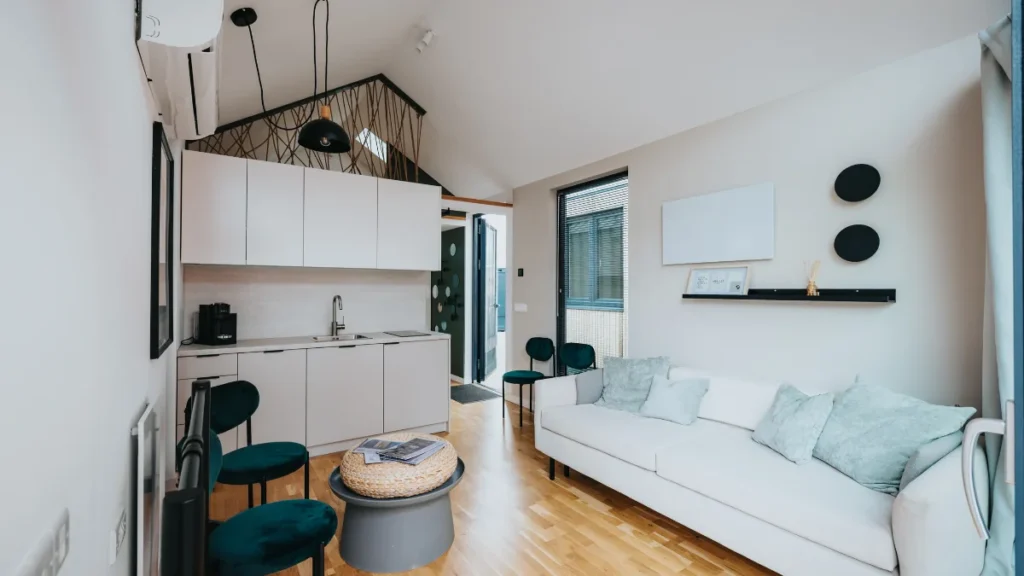
Advanced Space Providers manages the Irish side of every project, including design coordination, planning engagement, delivery logistics and installation, working with developers across Ireland. The Smart Living residential range runs 16 to 20 weeks from permit to keys.
The factory specification is defined before work begins, giving developers a clear programme and a defined scope before committing.
Ready to explore off-site construction for your next residential project? Talk to the Advanced Space Providers team about your plans.